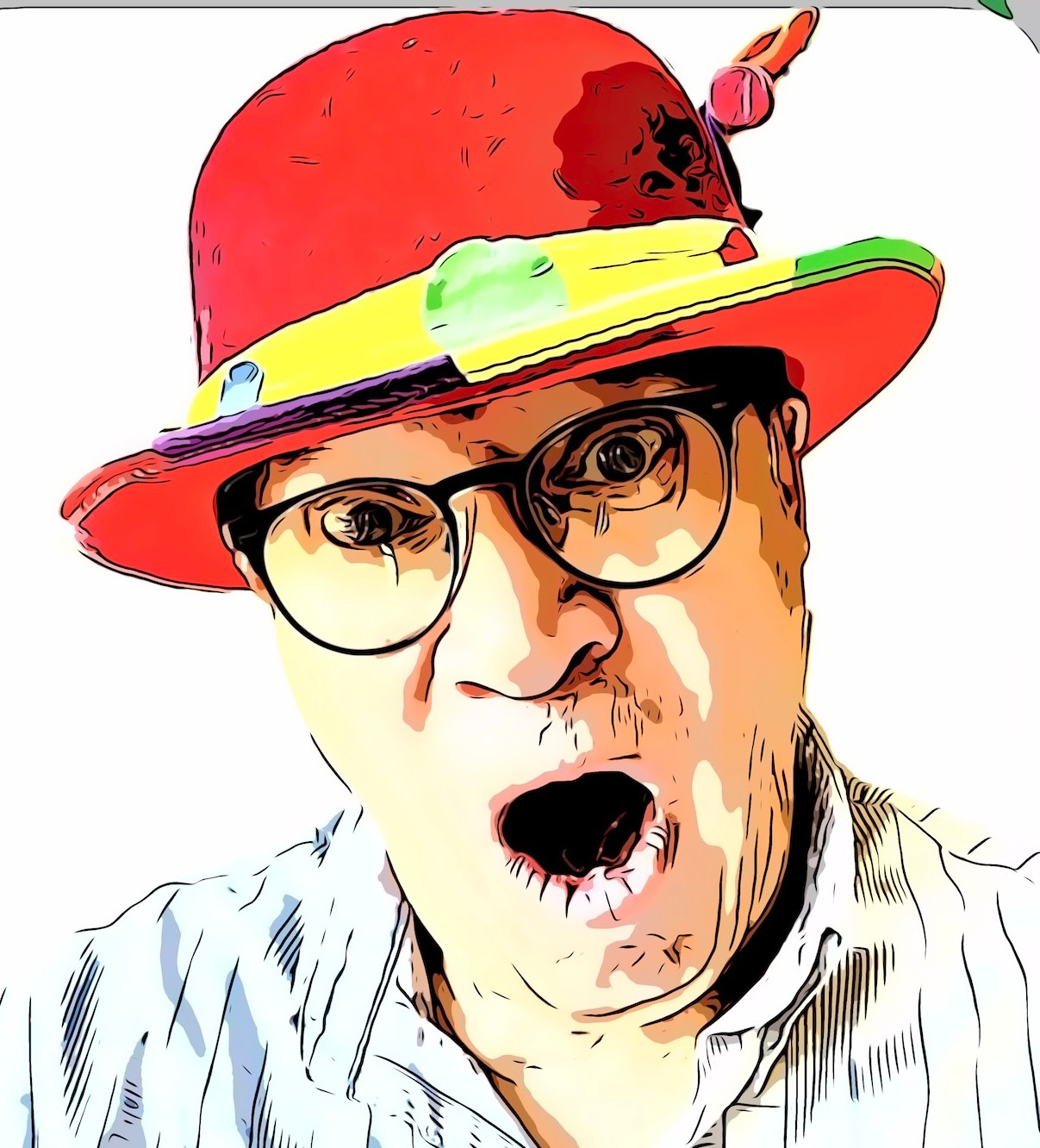
Magic Is Real (And It's Not What You Think)
Magic is what makes Harry Potter, Hogwarts, Voldemort, and Professor Dumbledore so entertaining. It's the Force that powers the Jedi Knights and Darth Vader, and without it Star Wars would be just another space adventure. It's Gandalf with his staff and Frodo with the ring that rules them all, defeating Sauron across the long miles of Middle-earth. And it's what gives every fairy tale its pulse — Snow White, Rapunzel, Beauty and the Beast would be ordinary stories without it.
Wouldn't life be more wonderful and fulfilling if magic were real and filled our daily lives?
Here's what I want to tell you: it is. Magic is real, and it pervades our every moment.
Would knowing that change your perspective? Would it change how you walk through your day? And if it's real, wouldn't you want to know how it works?
Magic isn't supernatural. It's ultra-natural — the dimension of the things we already know but refuse to think about. It's more exciting than fantasy, because it's fantasy that turns out to be real.
So come with me on a journey through the unbelievable. The world is filled with magic, and it hides in front of us. This blog will take you through a world of magic, beginning with you, that you never envisioned.
Please, join me. Suspend your disbelief, and leave your doubts at the portal as you enter a new world.
A first thing to understand before we begin: magic is not what we tend to think it is. We file it under fantasy, under play, under imagination. But if Harry Potter and Dumbledore were real, magic would not be a fantasy to them. It would be a serious subject — something to be taught, studied, managed, regulated, and watched with care. To Luke Skywalker and Yoda, the Force is not of the imagination. It is of the mind, of feeling, of unification with all else. If there are people in our world with powers like those in the Harry Potter books, Lord of the Rings, or Star Wars, they don't perceive their abilities as otherworldly. They perceive them as real. And you most likely wouldn't see them practicing on street corners or dueling imaginary creatures, because real powers get reserved for the appropriate use and time.
Magic, in other words, isn't of the world of imagination. It's of the world of reality. Just not the reality we usually think about. It's of the reality we avoid thinking about, or don't want to know about, or have decided isn't worth the effort. It's of the reality that seems dull and ordinary until you look closely — and then it doesn't.
As we explore further, expect the magic to be linked to things you already know. Things you were taught, or that were taught in a class you skipped, or that you decided were too boring to bother with. The magic was there the whole time. We just stopped looking.
There are reasons we stopped looking. As children, our parents called us out of our daydreams and replaced them with training, studies, and practice — the serious business of preparing for the serious world of work. Facts and knowledge crowded out curiosity. We became grounded, ready, capable. Even our play took on serious form: competitions, challenges, records to break. By the time we were grown, we had lost the ability to see the world from the strange angle of imagination, and instead we saw it in the form we'd been taught.
There are also deeper reasons — patterns of human thought that close the door on magic almost without our noticing. We'll get to those in a later post. For now, it's enough to know that the door has been closed, and that it can be opened again.
So let's begin again. Let's try to see the world through the eyes of the impossible.
In the next post, I want to start where the magic is closest — with you. With the fact that you, reading this, are 4.5 billion years old. Maybe older. And every atom in your body has been spinning, without rest, since long before there was an Earth to stand on.
That's where we'll go next.